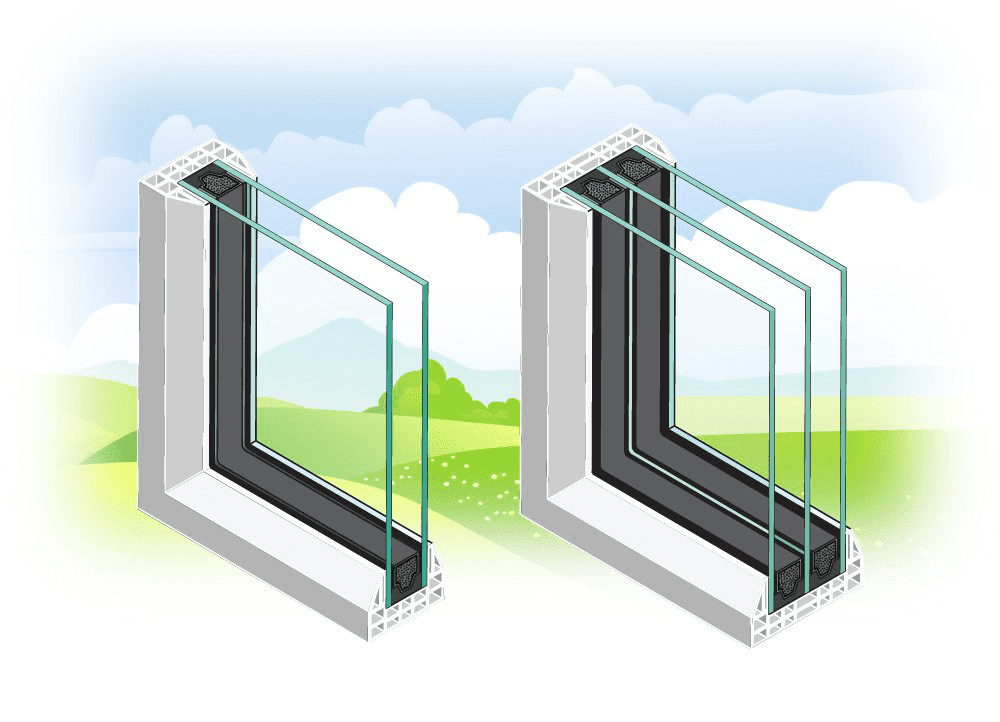
Double glazing is not automatically compulsory in every existing UK home. You are not generally required to replace single-glazed windows simply because they are old or because the property is being sold or rented.
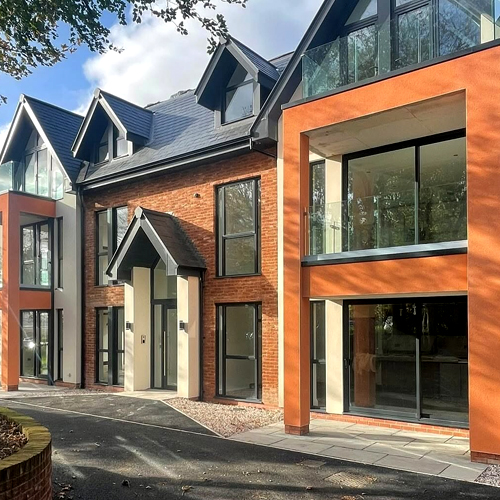
However, Building Regulations usually apply when you install new windows or replace complete existing windows. The replacement installation must meet current requirements for energy efficiency, ventilation, safety glazing and, where relevant, fire safety.
This guide focuses primarily on England, including homes on the Wirral. Building standards are devolved, so the rules can differ in Wales, Scotland and Northern Ireland.
Important: Building Regulations, planning permission and heritage consent are separate matters. Depending on the property and the work proposed, you may need to consider more than one approval route.
Is Double Glazing Legally Required?
There is no general UK law requiring every home to have double glazing.
A homeowner can usually retain existing single-glazed windows, provided there is no separate issue involving disrepair, safety, planning enforcement or a specific legal requirement attached to the property.
The position changes when you carry out replacement or alteration work. If you remove an existing window and install a new window and frame, the new installation will normally need to comply with the Building Regulations that apply to replacement windows.
The regulations focus on the performance and installation of the window rather than the marketing description. In other words, the legal requirement is not simply “install double glazing”; it is to achieve the required standards for heat loss, ventilation and safety.
When Do Building Regulations Apply to Windows?
The rules depend on whether you are replacing the complete window or repairing or upgrading part of an existing one.
| Type of Work | Building Regulations Position |
|---|---|
| New window opening | Building Regulations normally apply |
| Complete replacement window and frame | Building Regulations normally apply |
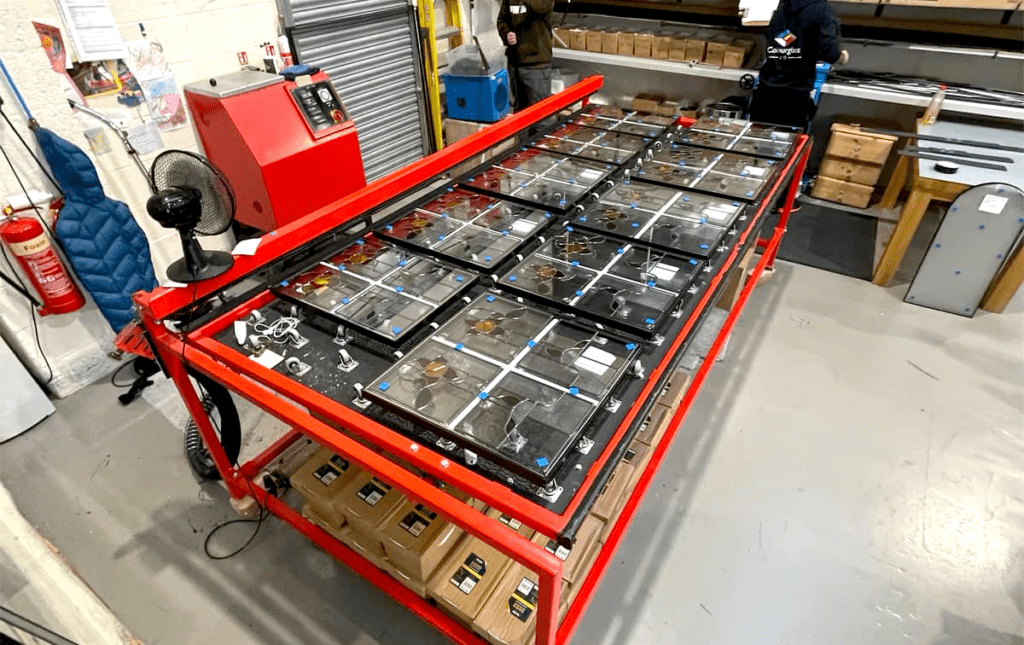
| Replacement sealed glass unit in existing frame | Usually not treated as a new controlled fitting |
| Glass replacement while retaining the frame | Usually not complete-window replacement work |
| Minor repair, adjustment or decoration | Usually not |
Replacing the whole window, including the frame, is normally treated differently from replacing only the glass or carrying out a minor repair.
New window openings can involve additional requirements, including structural support, lintels, damp protection, fire safety and planning controls. If the work changes the size or position of an opening, ask your installer or local authority for advice before work begins.
What Standards Must Replacement Windows Meet?
Replacement windows in England may need to satisfy several parts of the Building Regulations.
| Requirement | What It Means for Replacement Windows |
|---|---|
| Energy efficiency – Part L | The window must meet the required thermal-performance standard |
| Ventilation – Part F | The replacement must not make the home’s ventilation less satisfactory |
| Safety glazing – Part K | Safety glass may be required in doors and other vulnerable locations |
| Fire safety – Part B | Replacement work should not remove or reduce a required escape route |
| Structural safety – Part A | New or altered openings must be adequately supported |
The exact requirements can depend on the type of property, the location of the window, the size of the opening and the ventilation system already installed.
Energy Efficiency Requirements
For replacement windows in existing dwellings in England, the current standard is generally:
- Maximum whole-window U-value: 1.4 W/m²K, or
- Window Energy Rating: Band B or better
A U-value measures how readily heat passes through a building element. A lower U-value generally indicates better insulation.
The whole-window figure is important. It takes account of the glass, frame and other components rather than considering the glass alone. A high-performance glass unit does not necessarily mean that the complete window achieves the required standard if the frame or installation is poor.
Building Regulations specify the thermal performance that the window must achieve. They do not simply state that every replacement must use a product labelled “double glazing”. In practice, modern double-glazed units will often be used to meet the required standard, although the legal test is performance-based.
A Window Energy Rating, or WER, is a separate rating system used to indicate the energy performance of a window. Ask the installer for the product specification and confirmation of the relevant U-value or energy rating. Do not rely solely on claims such as “A-rated glass” or “energy-efficient windows”, because the rating of the glass may not be the same as the performance of the complete window.
Do Replacement Windows Need Trickle Vents?
Replacement windows often require background ventilation, commonly provided by trickle vents, but it is not accurate to say that every replacement window must always have one.
The key principle is that replacing the windows must not make ventilation in the home less satisfactory.
If the existing windows have trickle vents or other background ventilators, they should not normally be removed without considering how equivalent ventilation will be provided. If the property has no existing background ventilators, the correct solution may depend on the home’s overall ventilation strategy.
For example, the property may use:
- Background ventilators in windows or walls
- Extract fans in kitchens, bathrooms or utility rooms
- Continuous mechanical extract ventilation
- Mechanical ventilation with heat recovery
- A combination of natural and mechanical ventilation
A competent installer should inspect the existing arrangements and explain how the proposed replacement windows will meet the ventilation requirements. If the installer says trickle vents are unnecessary, ask them to explain the basis for that decision and record it in the quotation or installation documentation.
Safety Glazing and Window Restrictions
Safety glazing may be required in vulnerable locations, including low-level glazing, doors and glazing beside doors. The installer should identify any relevant Part K requirements during the survey.
Fire Safety and Escape Windows
If an existing window provides a required means of escape, its replacement should not reduce that escape provision.
Tell the installer if a bedroom or other window is currently used as an escape window. The replacement should preserve the required clear opening, sill height and ease of operation.
Do I Need FENSA or Building Control Approval?
There are two common ways of demonstrating that replacement-window work complies with Building Regulations.
Route 1: Use a Competent Person Scheme
An installer registered with an authorised Competent Person Scheme can self-certify qualifying replacement-window work.
Schemes may include:
- FENSA
- CERTASS
- Other authorised schemes where applicable
The installer should provide a certificate after the work is completed. This certificate can be useful when selling or remortgaging the property, although it is not a substitute for checking the quality of the installation.
FENSA and similar schemes primarily provide a route for registered installers to demonstrate Building Regulations compliance for qualifying work. Registration should not be treated as a complete guarantee of workmanship, product quality or customer service.
Route 2: Use Building Control
For work that requires Building Control, homeowners can generally use their local authority or a private Registered Building Control Approver (RBCA), where appropriate.
You may need to contact the relevant Building Control body before work starts. The important point is to ensure that the work complies with Building Regulations and that appropriate evidence of compliance is provided afterwards.
Do not assume that a sales invoice, guarantee or product brochure is the same as a Building Regulations compliance certificate.
What About Listed Buildings and Conservation Areas?
Building Regulations and planning or heritage controls are separate issues.
A replacement window might meet Building Regulations while still requiring planning permission or Listed Building Consent. Conversely, planning permission does not automatically confirm that the installation meets Building Regulations.
Listed Buildings
Replacing or altering historic windows in a listed building will often require Listed Building Consent. This can apply to changes to frames, glazing bars, opening arrangements, materials, colour, external appearance or internal historic features.
Repairing and retaining original windows may be preferred. In some cases, secondary glazing, draught-proofing or specialist slim-profile glazing can improve comfort and energy performance while preserving historic fabric.
Seek advice from the local planning authority or a conservation professional before ordering new windows for a listed building. Unauthorised work can have serious consequences.
Conservation Areas
Living in a conservation area does not automatically mean that every replacement window requires planning permission.
However, additional local restrictions can apply, and an Article 4 Direction may remove permitted-development rights. Local policies may also control materials, frame designs, opening patterns and external appearance.
Check with the local planning authority before ordering replacement windows if you are unsure whether consent is required.
Do Landlords Have to Install Double Glazing?
No, being rented does not itself create a blanket requirement for double glazing.
Minimum Energy Efficiency Standards concern the property’s overall energy performance and EPC position rather than requiring one particular type of window. Double glazing may be one of several measures that can improve energy performance, but there is no blanket rule requiring every rented home to have double-glazed windows.
Landlords must still comply with their wider legal duties concerning the condition and safety of the property. Whether replacement is necessary depends on the condition of the windows and the property’s overall circumstances.
Frequently Asked Questions
No. There is no blanket requirement forcing every existing home to replace single-glazed windows with double glazing.
Building Regulations normally become relevant when new windows are installed or complete existing windows are replaced.
New homes must meet Building Regulations for energy performance.
The regulations specify thermal-performance standards rather than simply stating that a product labelled “double glazing” must be installed. In practice, double or triple glazing may be used to achieve the required performance.
You can carry out replacement work yourself, but the installation must still comply with the relevant Building Regulations.
If the work is not being self-certified through an authorised Competent Person Scheme, Building Control approval will normally be required. DIY installation also leaves you responsible for checking ventilation, safety glazing, fire escape, structural and weatherproofing requirements.
Replacing only a failed or misted sealed-glass unit within an existing frame is generally different from replacing the complete window and frame.
It is not normally treated as providing a new controlled fitting under Part L. However, the replacement glass must still be suitable for the frame and location, and safety-glazing requirements may apply.
Often, but not universally.
The replacement windows must maintain adequate ventilation, and the correct solution depends on the home’s existing ventilation arrangements and how compliance with Part F is achieved.
FENSA is not the only route to compliance.
Qualifying replacement-window work can be certified through an authorised Competent Person Scheme such as FENSA or CERTASS, or approved separately through Building Control.
The important thing is that you receive appropriate evidence that the installation complies with Building Regulations.
Checklist Before Ordering Replacement Windows
Before signing a contract, ask the installer:
- Will the work be self-certified, or will Building Control approval be required?
- What whole-window U-value or Window Energy Rating will the proposed windows achieve?
- How will ventilation requirements be met?
- Are there any safety-glazing or escape-window requirements?
- Do any planning or heritage restrictions apply?
- What compliance certificate will I receive?
Request the answers in writing and make sure the quotation describes the complete scope of work, including frames, glass, vents, trims, removal of old windows and certification.
Planning to Replace Your Windows?
If you are replacing complete windows, choose an installer who can clearly explain how the installation will meet the relevant Building Regulations and what compliance documentation you will receive afterwards.
Do not choose a quote based only on the number of panes or the lowest price. The quality of the frame, glass, installation, ventilation strategy and aftercare can all affect the result.
Next step: Double Glazing Near Me: Find Local Installers & Compare Quotes
Use our local double glazing finder to search for installers in your area, compare reviews and request like-for-like quotes.